WhatsApp: +86 199 2880 2613
Factory sourcing guide · Maternity Panties
Custom Maternity Panties Manufacturer for OEM & Private Label
Source under-bump and over-bump maternity briefs, adjustable belly panels, high-waist pregnancy underwear and seamless boyshorts from a China OEM/ODM team based in Shenzhen, with in-house fit sampling.
- Custom styles from 300 pcs/style/color
- Custom samples in 7–10 days
- Ready-stock MOQ from 50 pcs
- Stock samples in 72 hours
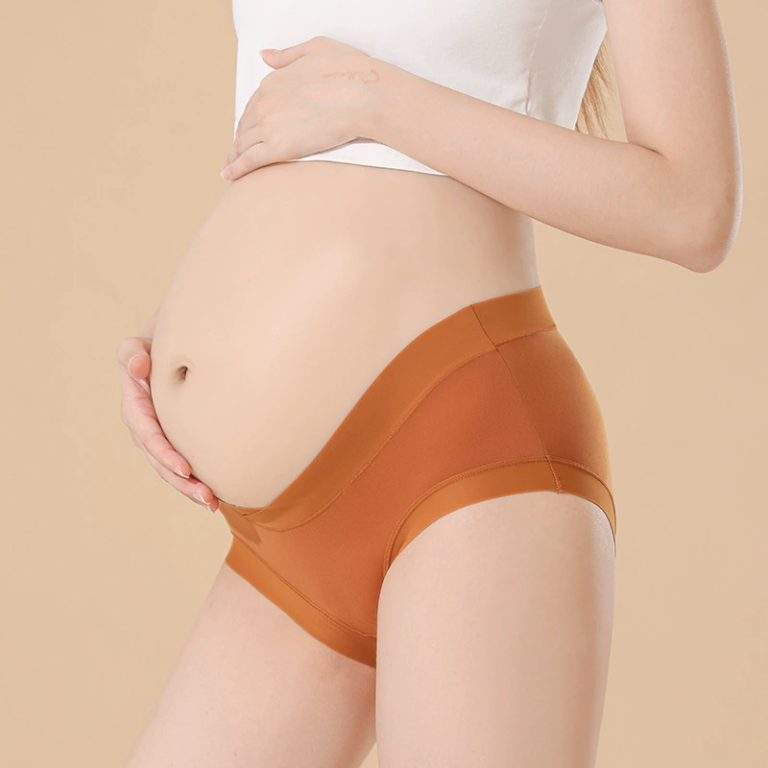
V-Front Seamless Low-Rise Maternity Brief (9055)
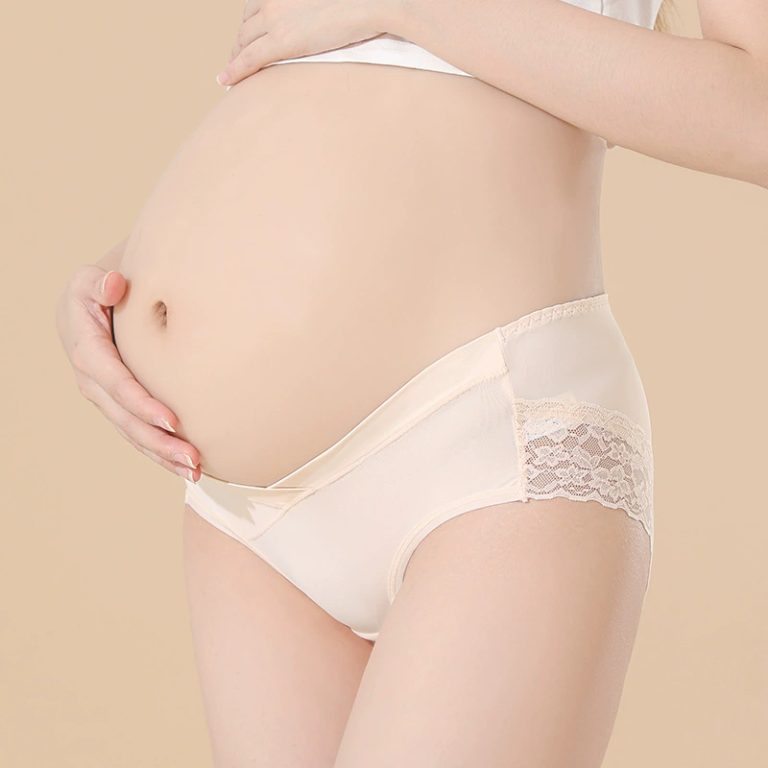
Lace-Trim Low-Rise Maternity Brief (9211)
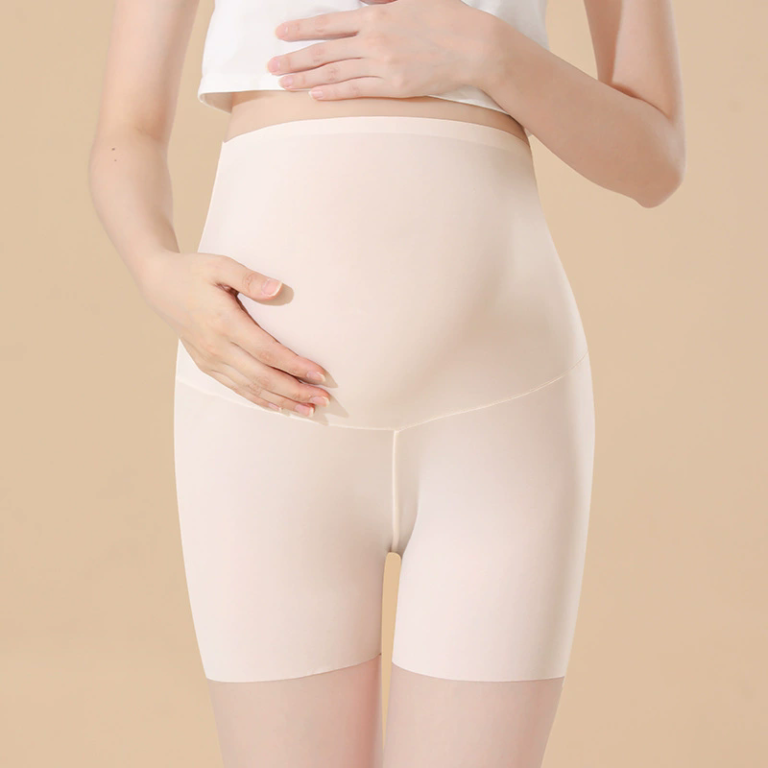
High-Waist Seamless Maternity Boyshort (633)
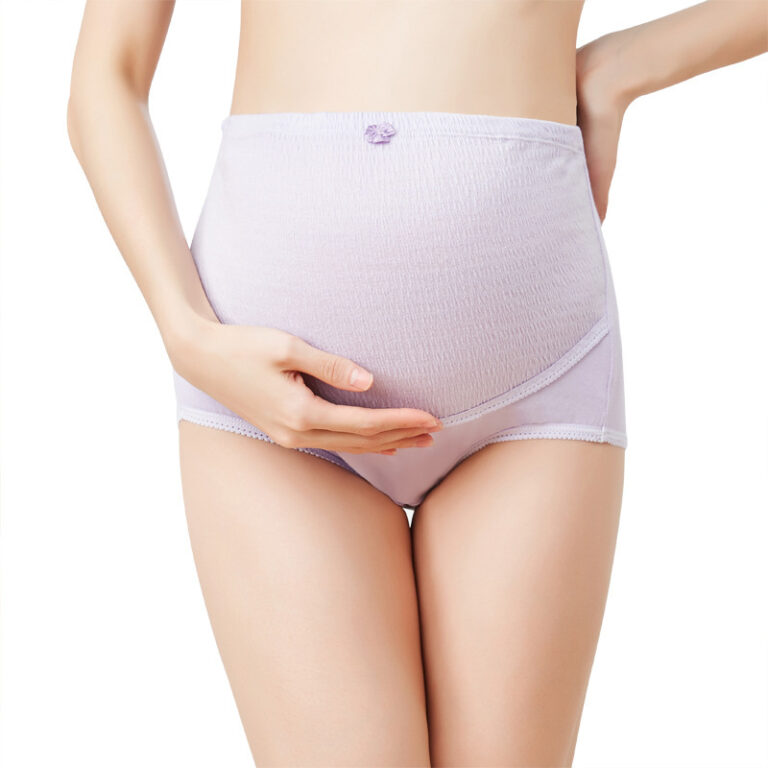
High-Waist Adjustable Maternity Brief (822)
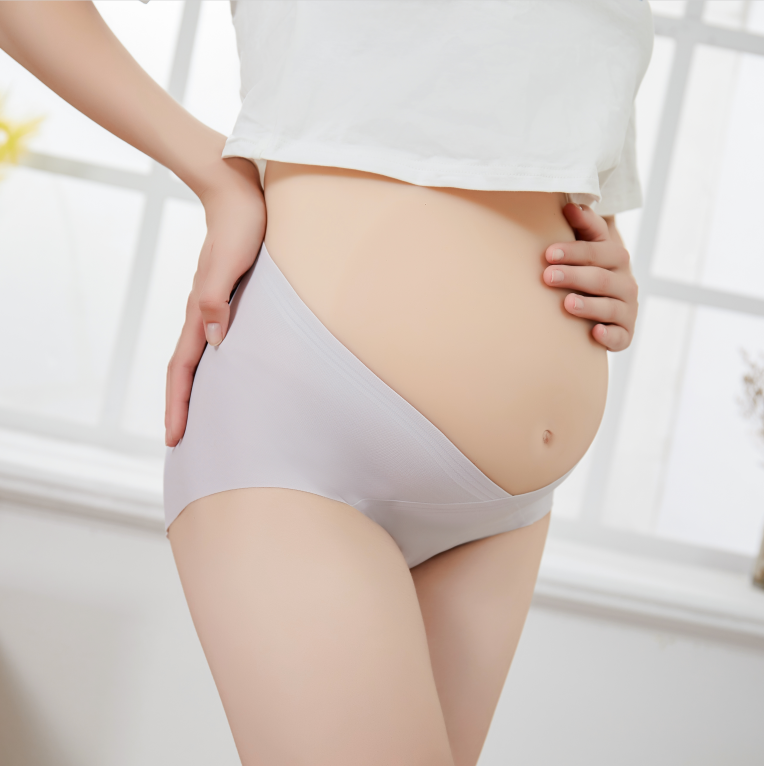
Under-Bump V-Front Maternity Brief (PAT001)
Maternity panty engineering
Balance bump coverage, comfort and repeat wear
Under-bump and over-bump maternity briefs need different panel geometry, rise, waistband tension and size grading. Review the fit route across pregnancy stages before approving a range.
Under-bump V-front fits
Low-rise V-shaped fronts require clearance below the bump, stable side coverage and controlled stretch. Review the drop, leg opening and gusset position on fit samples.
Over-bump support panels
High-waist and adjustable styles need balanced panel tension, comfortable edge finishing and reliable recovery. Belly-support wording describes garment fit, not medical support.
Cotton-rich comfort
Cotton/spandex and nylon/elastane routes can be compared for softness, breathability, recovery and care. Exact fibre percentages and gusset composition are confirmed per style.
Pregnancy-stage grading
Size sets from S–L to M–5XL are available across current references. Confirm the intended stage, measurement changes and grade rules on the approved fit set.
Fit evidenceApprove the bump panel, waist adjustment, gusset, leg opening, measurement sheet and colour lab dips before bulk production.
Maternity panty sourcing guide
What buyers should confirm before ordering samples
This category covers low-rise under-bump, high-waist over-bump, adjustable-waist, lace-trim and seamless maternity briefs. Buyers should compare front-panel shape, bump clearance, seat coverage, gusset construction, elastic recovery and size grading against the intended market.
For private-label programs, provide the target size curve, pregnancy stage, colour standard, waistband branding, label format and packaging. Confirm whether the product is positioned as a maternity brief, boyshort or light shaping brief, and validate all comfort or support wording on the physical sample.
Under-bump vs over-bump
Low-rise models sit below the bump while high-waist models cover it. The required rise, panel tension and leg-opening fit depend on the intended pregnancy stage and target customer.
Panel and waist adjustment
Fixed panels, pleated waists and adjustable side details must be reviewed for tension, comfort and recovery. Confirm the opening method, hardware and finishing before sampling.
Material and gusset comfort
Cotton-rich knits, nylon/elastane and lace trims require separate checks for softness, breathability, colourfastness, shrinkage and skin contact. Anti-bacterial wording needs a defined finish and test report.
Which maternity panty styles can you develop?
The range can include low-rise under-bump briefs, high-waist over-bump briefs, adjustable-waist maternity underwear, lace-trim styles, seamless boyshorts and cotton-rich pregnancy panties. Final feasibility depends on the panel pattern and requested size range.
Can we customize the belly panel and waistband?
Panel height, shape, tension, pleating, adjustable side openings, waistband elastic and branding can be reviewed against the intended pregnancy stage and fit reference. The exact construction is confirmed on the approved sample.
What maternity size ranges are available?
Current references include S–L, M–2XL, L–2XL and M–5XL directions. Size availability is style-specific, so grade rules, panel dimensions and fit measurements must be confirmed for the selected pattern.
How do you validate support, gusset and comfort claims?
We review panel tension, bump clearance, leg-opening pressure, gusset construction, fabric recovery and wash performance on fit samples. Belly support is described as garment fit only, and fibre or anti-bacterial claims require current supporting documentation.